
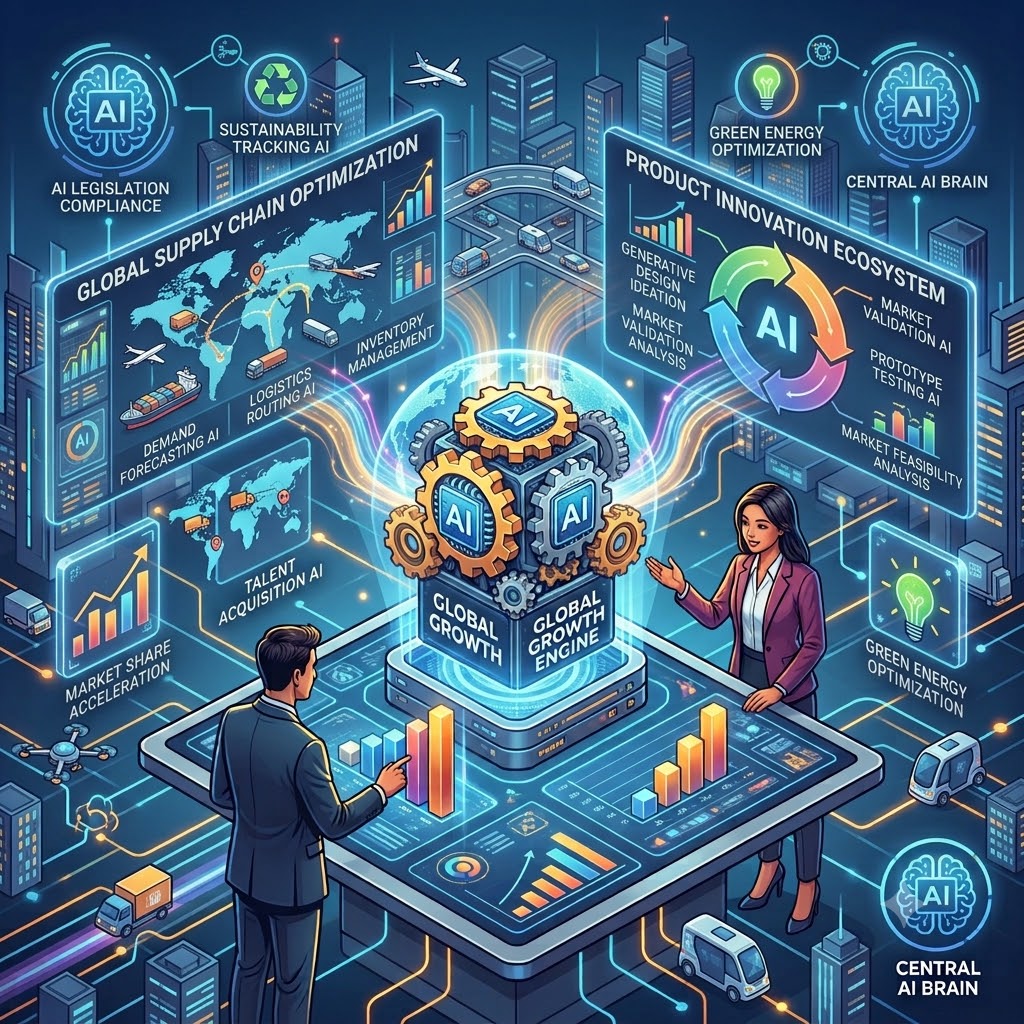
Unlocking Growth: The Power of Artificial Intelligence in Modern Marketing
The landscape of digital business is shifting beneath our feet. For years, marketers relied on intuition, broad demographics, and lagging indicators to shape their strategies. Today, the game has changed. We are witnessing a paradigm shift driven by data, automation, and intelligent algorithms. At the heart of this transformation lies AI in marketing, a force that is no longer a futuristic concept but a daily necessity for brands aiming to stay competitive.
Gone are the days when artificial intelligence was just a buzzword thrown around in boardrooms. It is now the engine powering personalized customer experiences, optimizing ad spend, and generating content at scale. If you aren’t leveraging these tools yet, you are essentially competing with one hand tied behind your back.
Understanding the Shift
To truly appreciate the impact of this technology, we need to look beyond the hype. AI in marketing refers to the use of artificial intelligence technologies to make automated decisions based on data analysis, audience observation, and economic trends. It allows marketers to gain a deeper understanding of their target audience, drive efficiency, and improve return on investment (ROI).
By utilizing machine learning and vast data sets, AI can predict user behavior, identify patterns, and execute tasks with a speed and accuracy that humans simply cannot match.
Transforming Customer Experience with Personalization
Perhaps the most visible benefit of integrating AI into your strategy is the level of personalization it enables. Modern consumers expect brands to understand them. They don’t just want relevant emails; they demand a seamless journey across every touchpoint.
Dynamic Content: AI algorithms can analyze a user’s past behavior to dynamically change website content, product recommendations, and pricing in real-time.
Segmentation: Instead of broad categories like “women aged 25-34,” AI allows for micro-segmentation based on specific behaviors, purchase history, and engagement levels.
Predictive Recommendations: Much like Netflix suggests your next binge-watch, marketing tools can predict exactly what product a customer needs next, often before the customer realizes it themselves.
Revolutionizing Content Creation
Content is the lifeblood of digital marketing, but producing high-quality material consistently is resource-intensive. This is where Generative AI has stepped in to change the game. While it doesn’t replace the human touch, it serves as a powerful co-pilot.
Marketers are now using AI to:
Brainstorm ideas and overcome writer’s block.
Draft copy for emails, social media captions, and blog posts.
Generate visuals and ad creative instantly.
This automation frees up creative teams to focus on strategy and storytelling rather than getting bogged down in the first draft.
The Power of Chatbots and Conversational Marketing
Customer service is a critical component of the marketing funnel. In the past, limited support hours frustrated customers and lost sales. Today, AI-powered chatbots offer a sophisticated solution.
Modern bots are not the clunky, script-based annoyances of the past. They utilize Natural Language Processing (NLP) to understand intent and context. They can handle complex queries, qualify leads, schedule appointments, and even close deals 24/7. This instant gratification improves customer satisfaction and ensures that no lead slips through the cracks simply because a human agent wasn’t available.
Smart Advertising and Predictive Analytics
Wasting money on ineffective ads is the quickest way to drain a marketing budget. AI in marketing solves this through programmatic advertising and predictive analytics.
AI systems can analyze millions of data points to determine the best audience for a specific ad, the optimal time to display it, and the ideal platform to use. This real-time bidding process ensures that every dollar spent has the highest probability of conversion.
Furthermore, predictive analytics allows marketers to forecast future trends. By analyzing historical data, AI can identify which leads are most likely to convert, helping teams prioritize their efforts and allocate resources more effectively.
The Human Element Remains Vital
With all this talk of algorithms and automation, it is easy to worry about the role of the human marketer. It is important to remember that AI is a tool, not a replacement. It lacks empathy, cultural nuance, and the creative spark that defines truly great campaigns.
The future of marketing belongs to those who can blend the efficiency of AI with human creativity. The algorithm handles the data crunching and automation, while the human provides the strategy, the emotional connection, and the ethical oversight.
Embracing the Future
The integration of artificial intelligence into marketing strategies is no longer optional; it is imperative for growth. Brands that embrace these tools will find themselves able to deliver more value to their customers, operate with greater efficiency, and navigate the complexities of the digital age with confidence.
As we look ahead, the gap between AI-powered companies and those relying on traditional methods will only widen. The question is no longer should you use AI, but rather how quickly can you implement it to unlock your full potential.




No comment